Shandong Juxizhuo Material Technology Co., Ltd.

PRODUCT CENTER
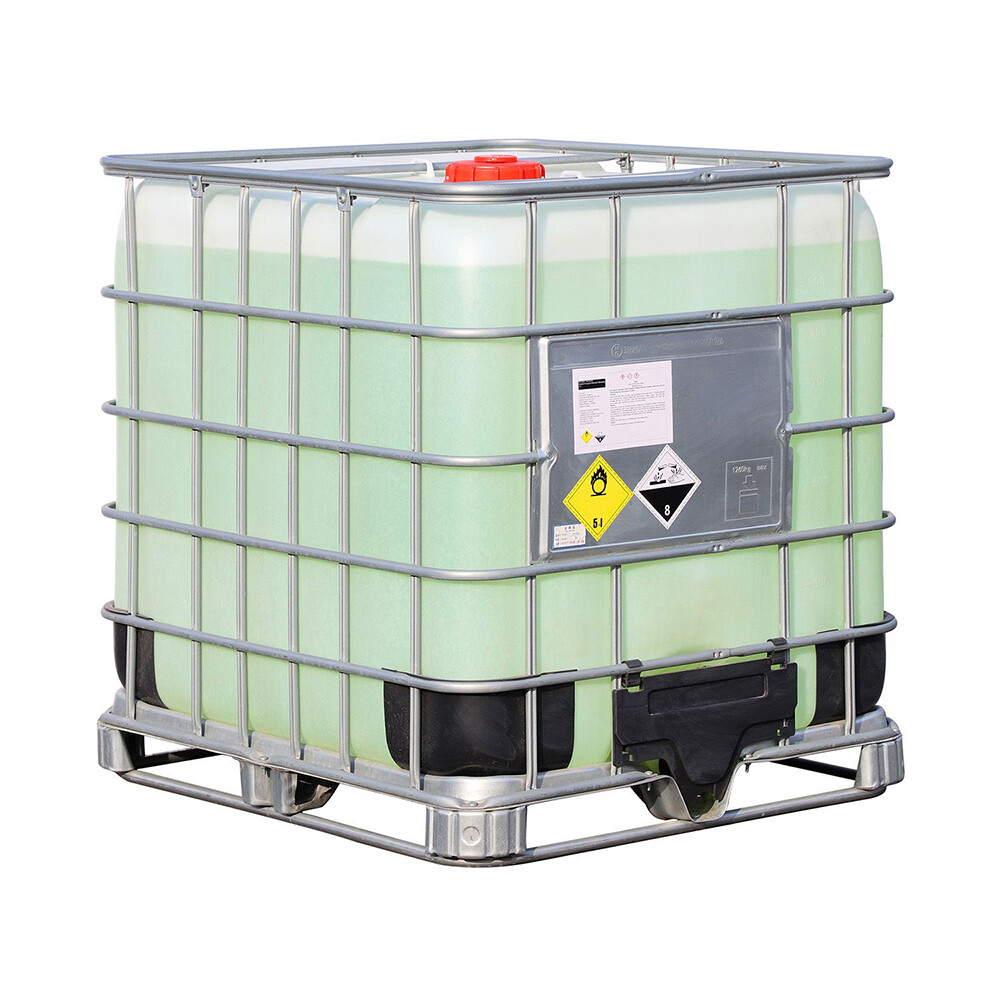
Formic acid (chemical formula: HCOOH) is the simplest saturated monocarboxylic acid, named "formic acid" because it was originally extracted from ants. At room temperature, it is a colorless and transparent liquid with a strong pungent odor. It is easily soluble in water and has both carboxyl (acidic) and aldehyde (reducing) properties. Its acidity is stronger than acetic acid.
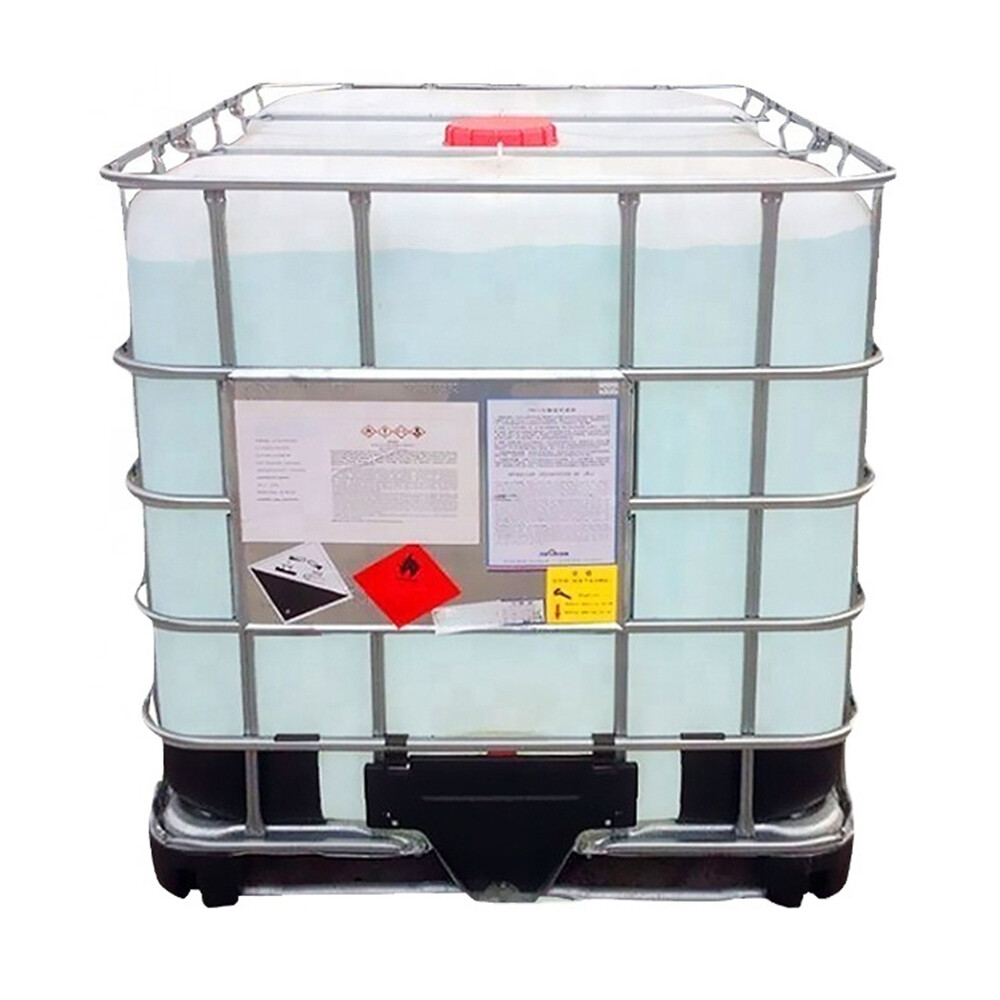
Acetic acid, with the chemical formula CH3COOH, is a common organic acid, also known as acetic acid. It is a colorless and transparent liquid with a strong acetic acid taste, and can be miscible with water, ethanol, and other substances in any proportion. Acetic acid is widely used for food seasoning, such as adding vinegar during cooking to enhance the taste of food.
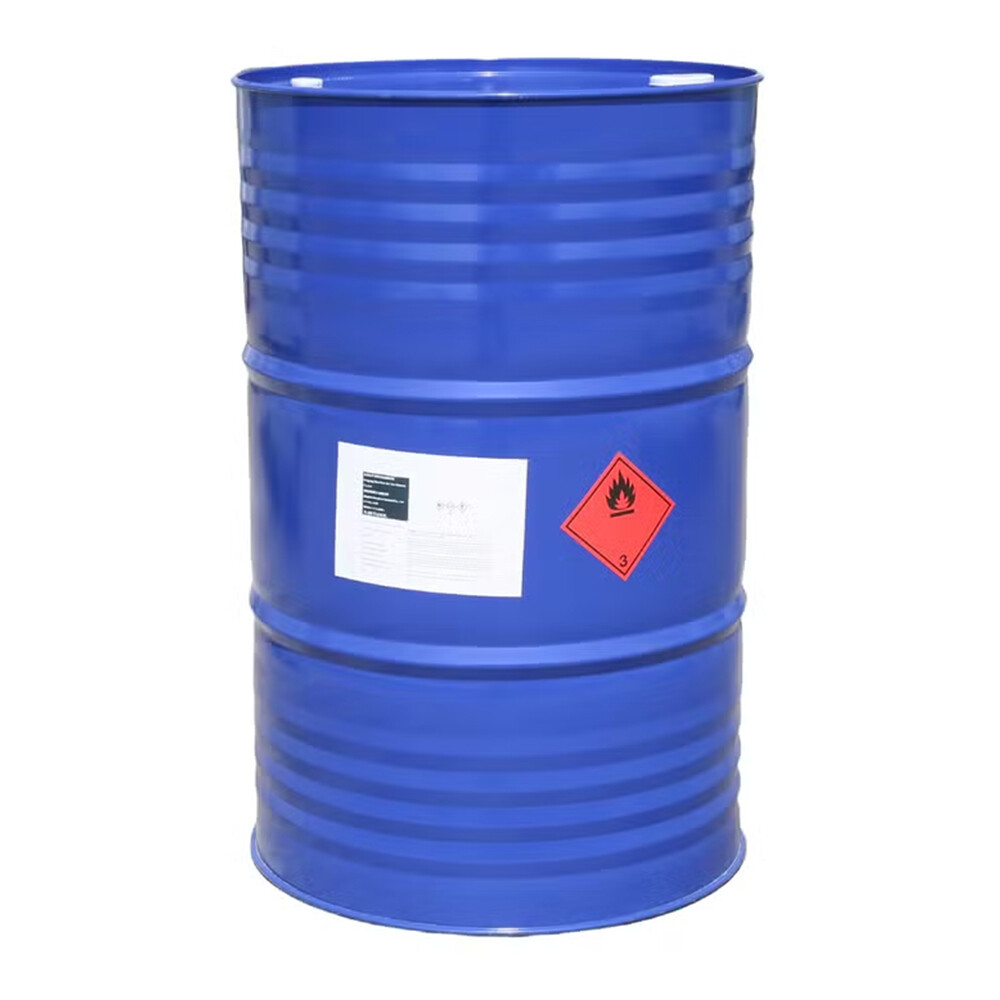
Dichloromethane (chemical formula CH₂Cl₂, often abbreviated as DCM) is a colorless, transparent liquid with a sweet odor. It is insoluble in water but miscible with most organic solvents. Its high volatility and excellent solvency make it a common solvent.
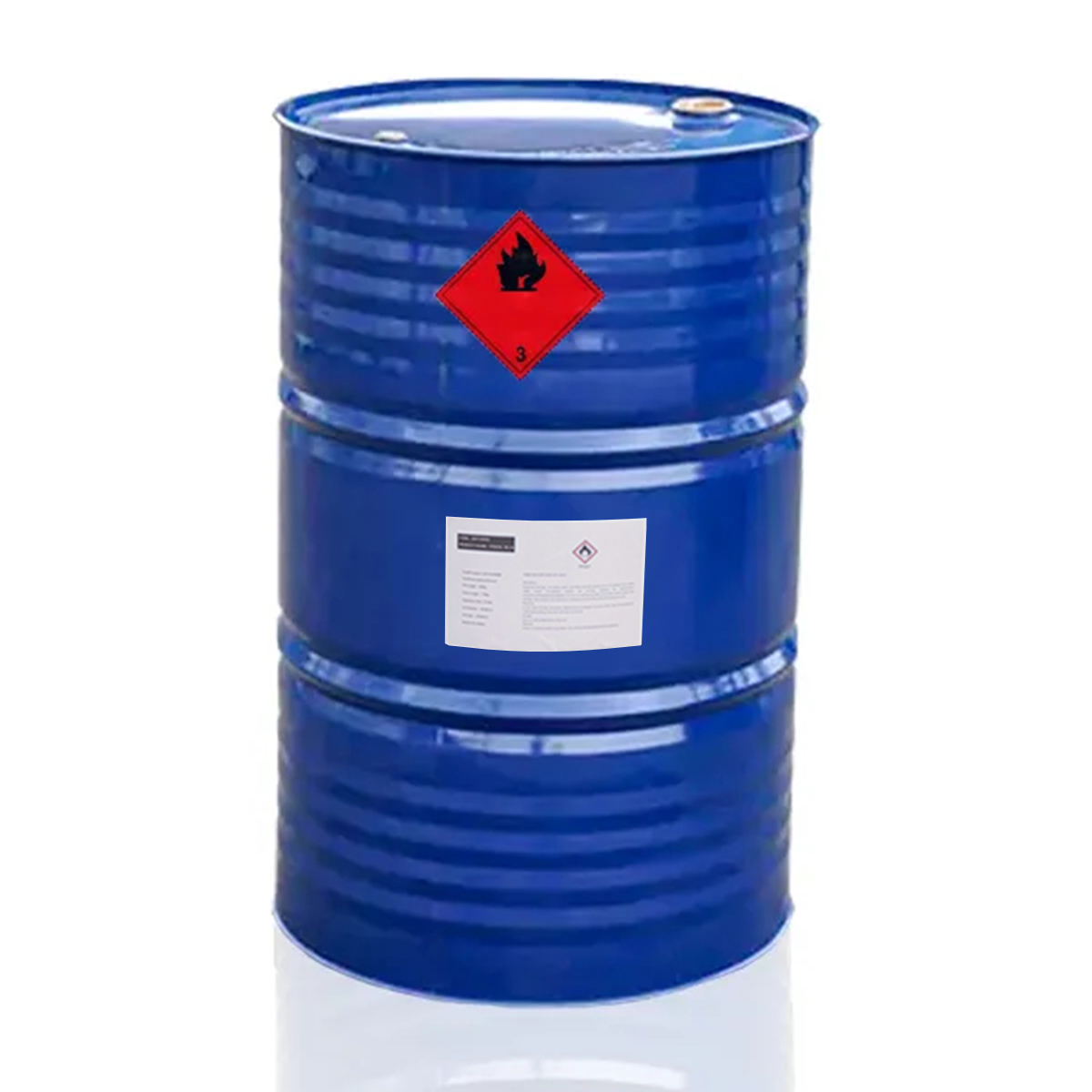
Ethyl acetate (chemical formula C₄H₈O₂, molecular weight 88.11, CAS: 141-78-6) is a colorless, transparent liquid with a fruity aroma. It is a low-toxic, volatile organic solvent with excellent solubility and is miscible with a variety of organic compounds.
Propionic acid (chemical formula C₂H₅COOH, molecular weight 74.08, CAS: 79-09-4) is a colorless, transparent liquid with a pungent odor. It is weakly acidic and miscible with alcohols, ethers, and most organic solvents.
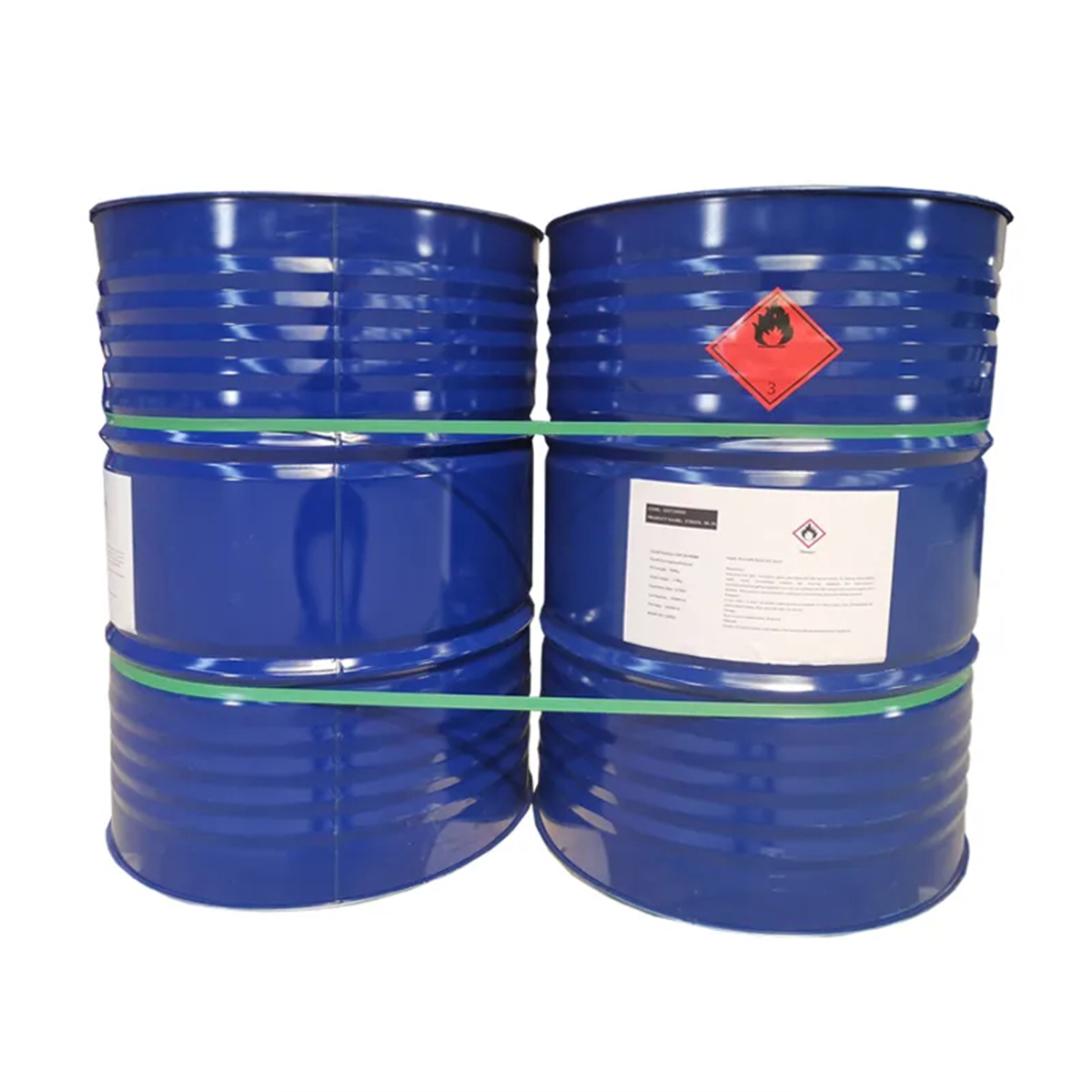
Cyclohexanone (chemical formula C₆H₁₀O, CAS: 108-94-1) is a colorless to light yellow transparent liquid with a mint-like pungent odor. It is slightly soluble in water and miscible with most organic solvents.
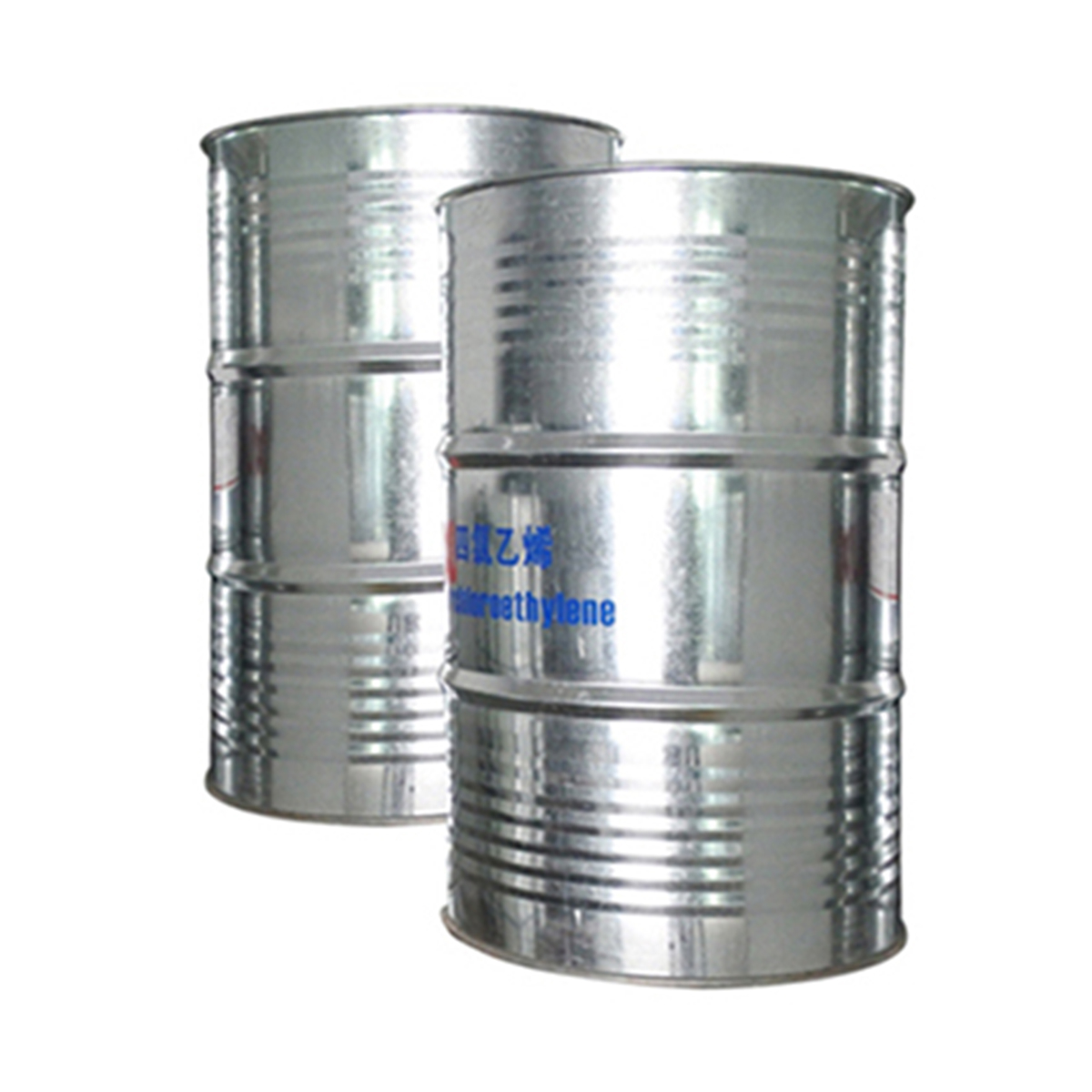
Tetrachloroethylene (TE), also known as perchloroethylene, is a colorless liquid with a distinctive odor. It is stable at room temperature, but can decompose into highly toxic substances when exposed to light, moisture, or high temperatures. Its chemical formula is C₂Cl₄, with a molecular weight of 165.83, a density of 1.622 g/cm³, and a boiling point of 121°C. It is insoluble in water but soluble in organic solvents such as ethanol and ether.
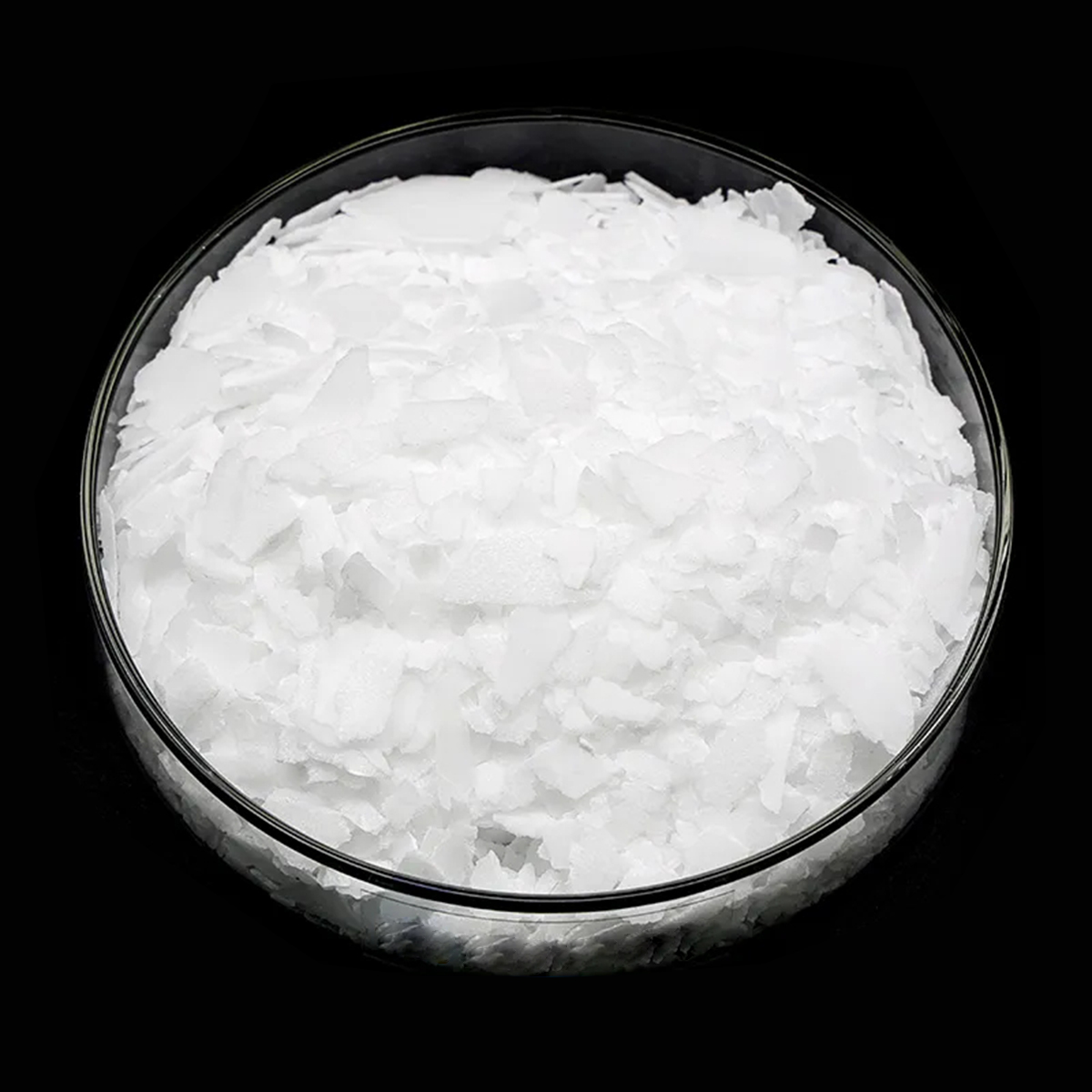
Phthalic anhydride (phthalic anhydride) is an organic compound with the chemical formula C ₈ H ₄ O3. It is formed by dehydration of phthalic acid molecules and appears as a white crystalline powder.
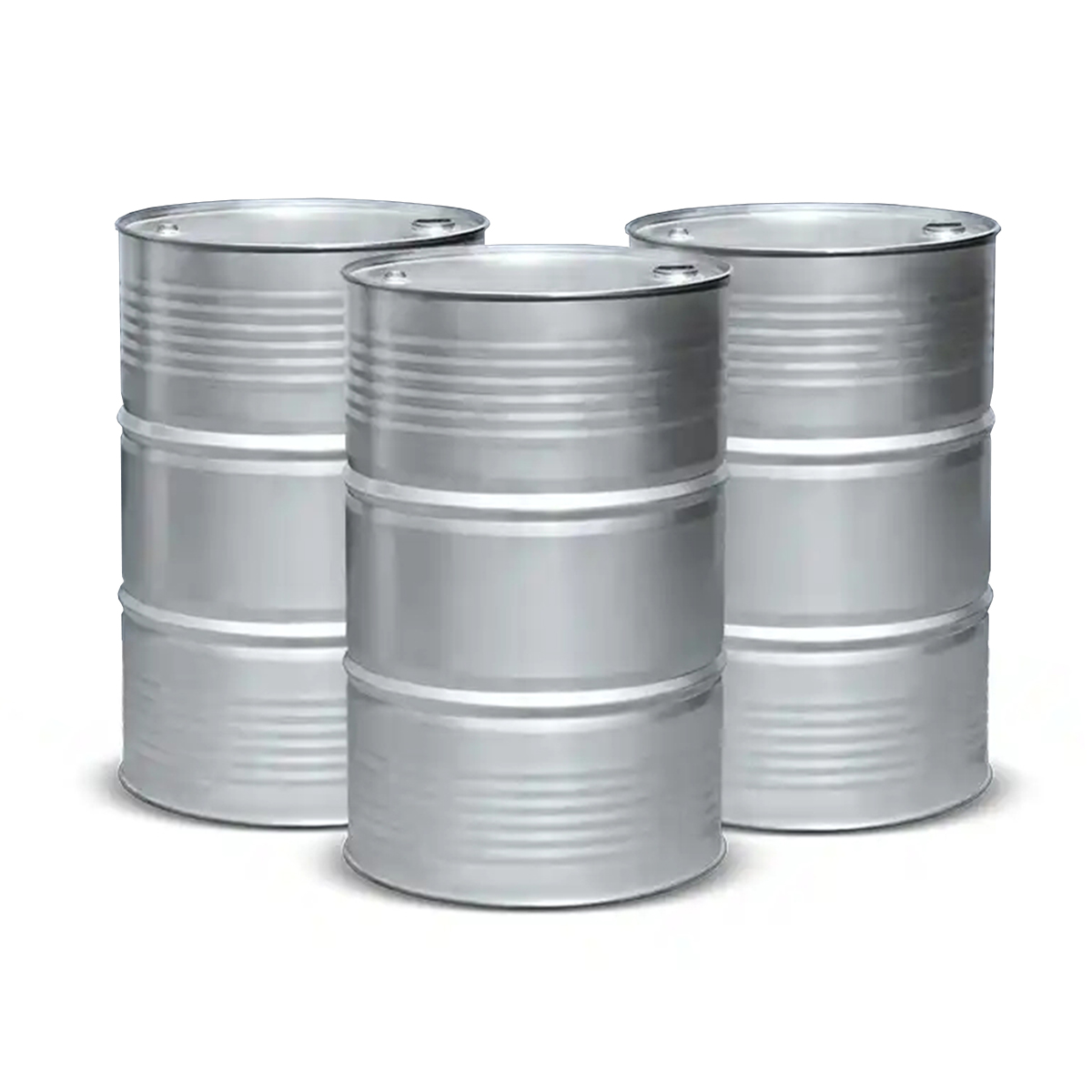
Trichloroethylene is a common organic solvent with wide applications in various industrial fields. As a colorless and transparent liquid, it has strong solubility and volatility, and can interact with various substances under different conditions.
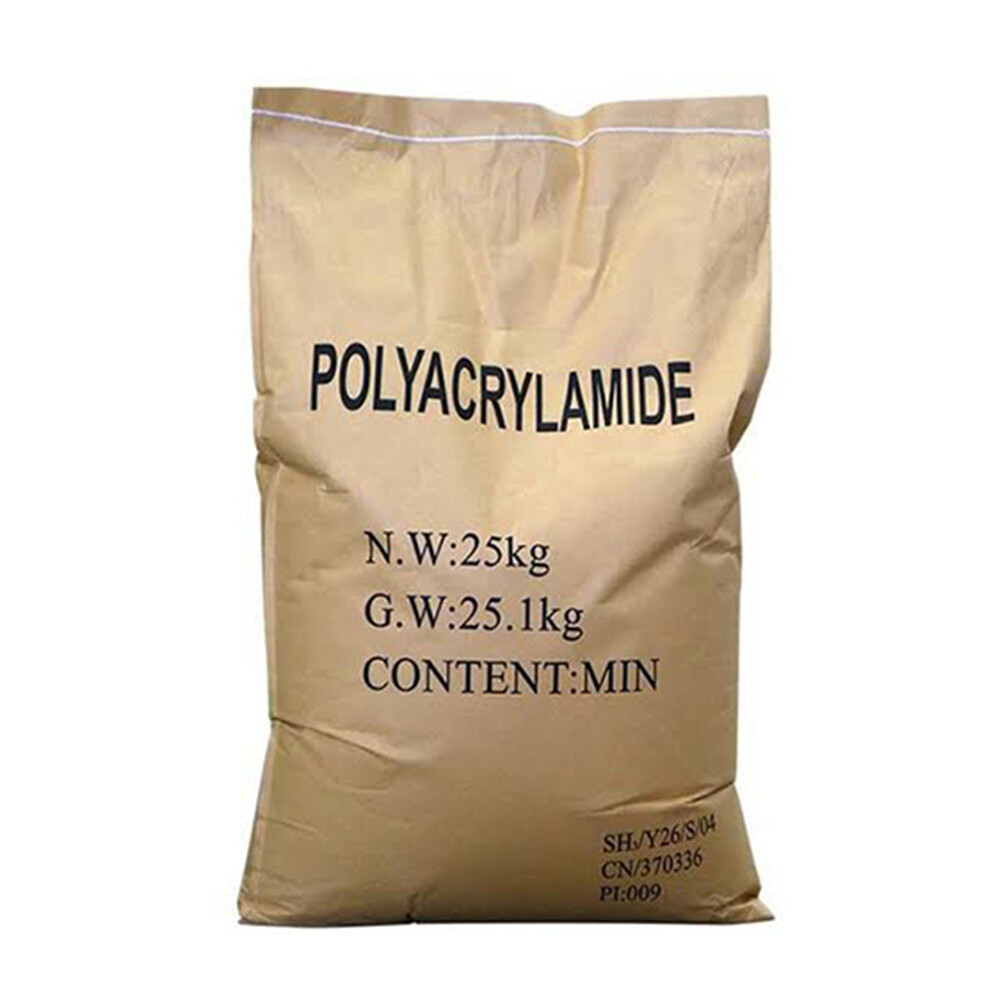
Polyacrylamide (PAM) is a water-soluble polymer widely used in industries such as water treatment, petroleum extraction, papermaking, textiles, etc. It has characteristics such as flocculation, thickening, and drag reduction.
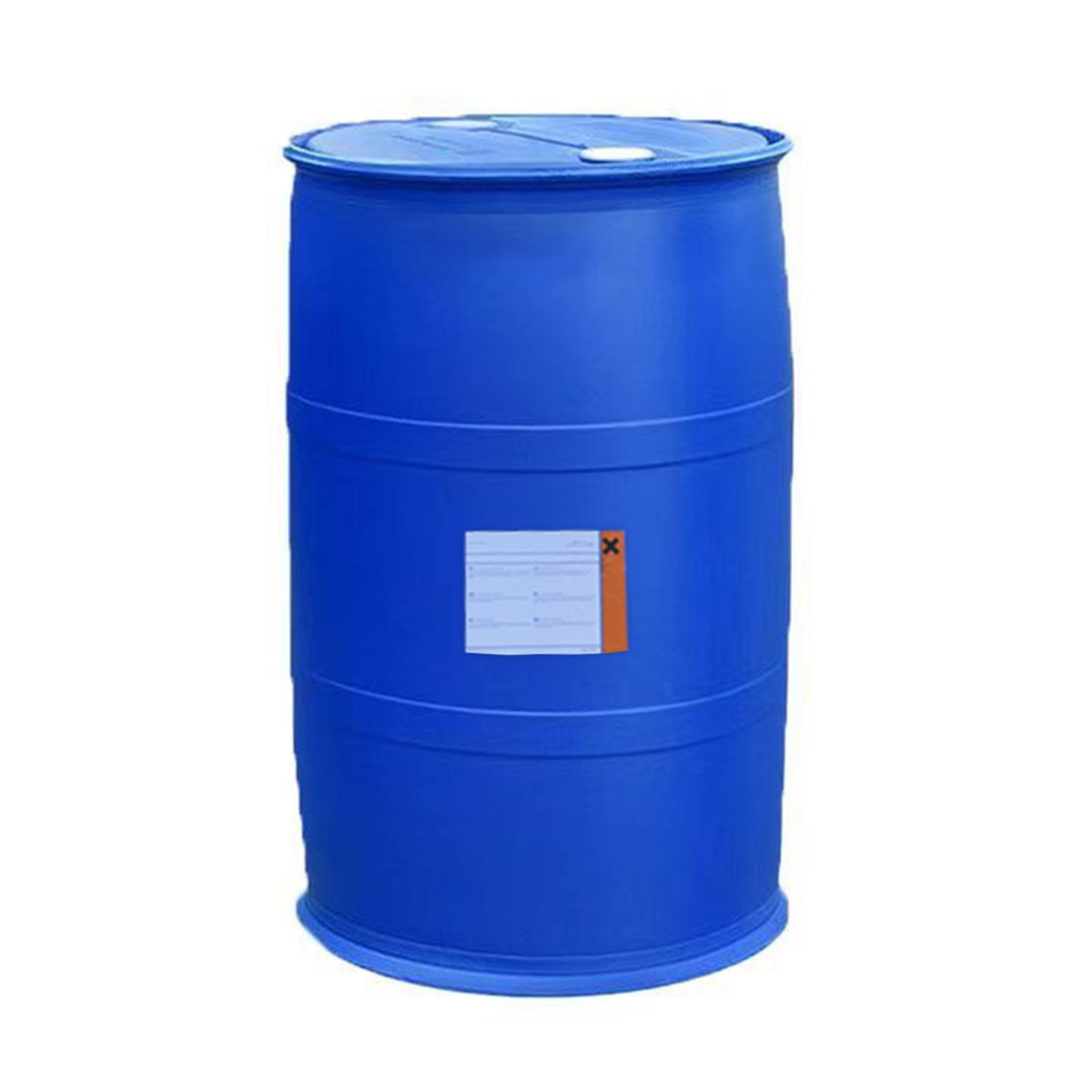
Ethylene glycol (EG) is a colorless, odorless, sweet-tasting, and highly hygroscopic liquid chemical with the chemical formula C₂H₆O₂.
It possesses excellent water absorption, solubility, and thermal stability, making it an important basic organic chemical raw material and solvent, widely used in industrial manufacturing and antifreeze systems.
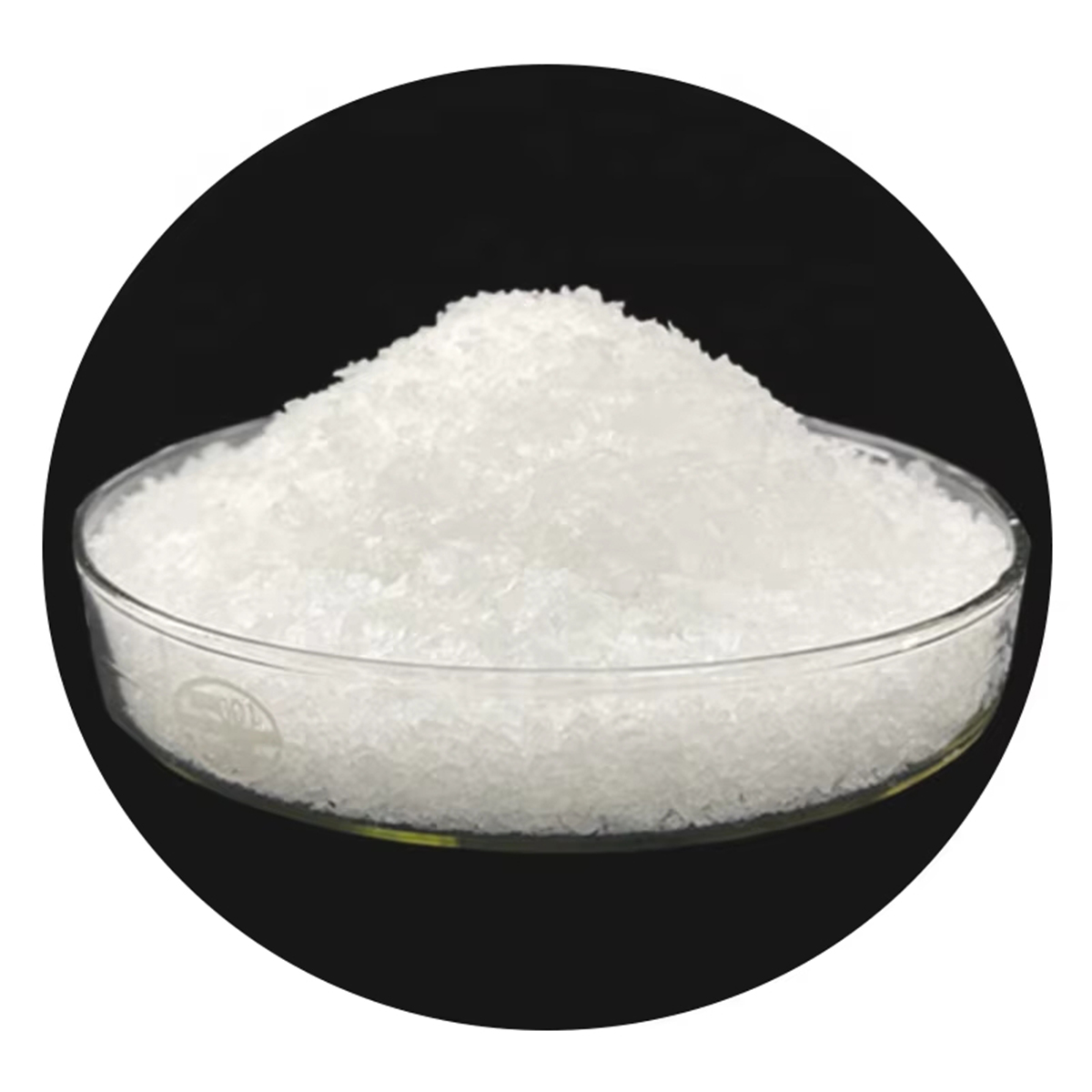
Polyvinyl alcohol (PVA) is a water-soluble polymer obtained by partial or complete hydrolysis of polyvinyl acetate.
Its chemical formula is [C₂H₄O]n. It appears as a white or off-white powder or granules, is non-toxic and odorless, and forms a transparent, viscous solution in water.