Shandong Juxizhuo Material Technology Co., Ltd.

PRODUCT CENTER
Hydroxypropyl methylcellulose (HPMC)
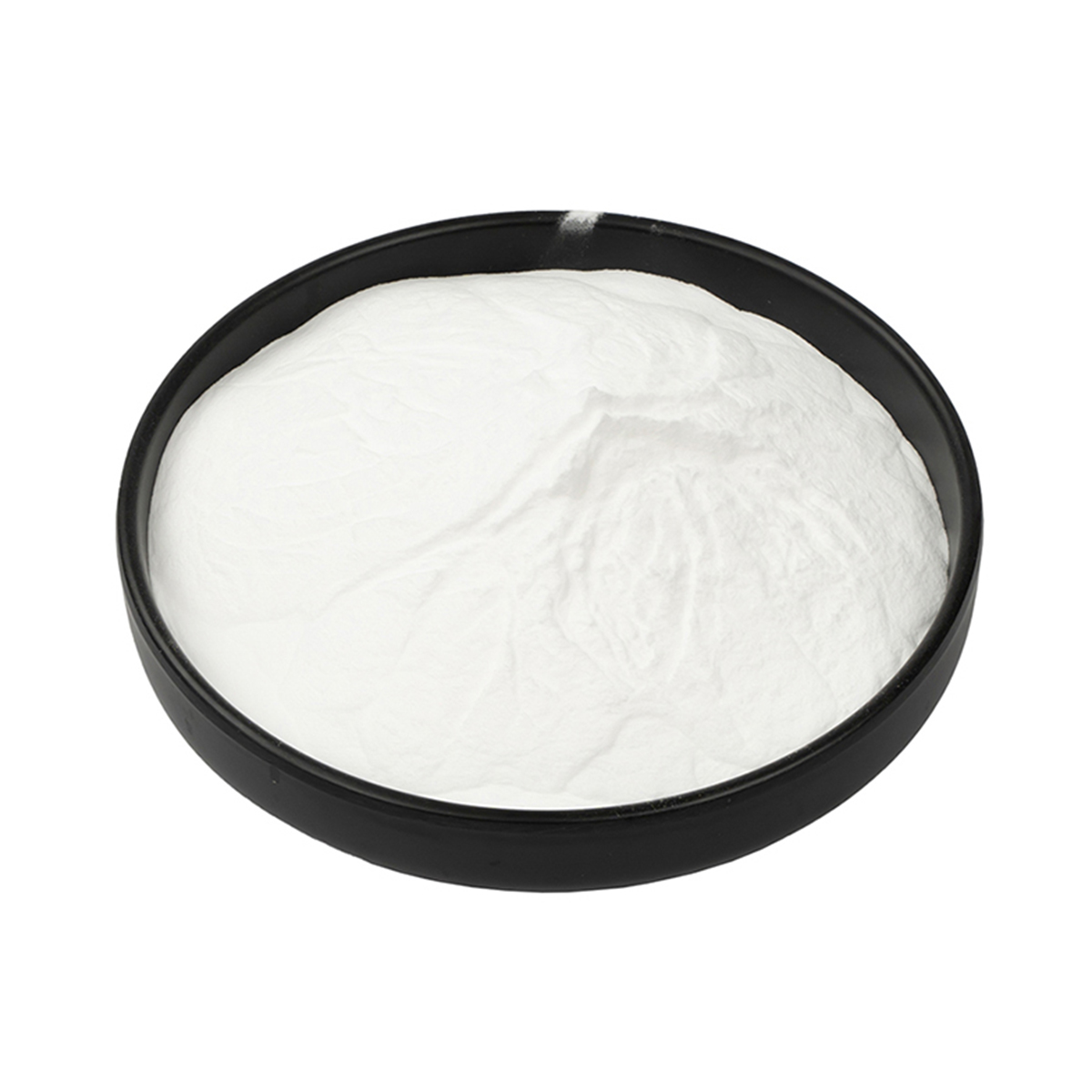
HPMC (Hydroxypropyl Methylcellulose) is a nonionic cellulose ether made from the chemically modified natural polymer cellulose. It appears as a white or off-white powder and readily dissolves in cold water to form a transparent, stable colloidal solution. It exhibits thickening, film-forming, water-retaining, dispersing, and bonding properties.
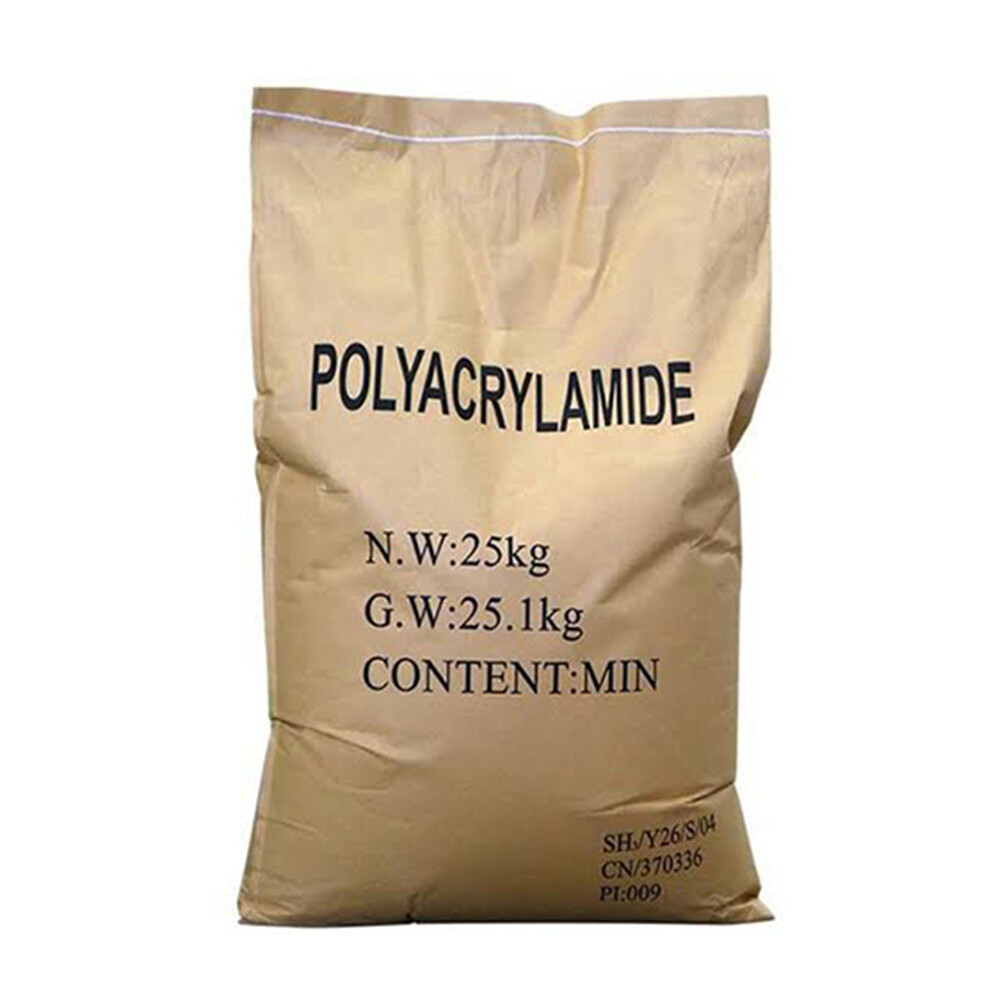
Polyacrylamide (PAM) is a water-soluble polymer widely used in industries such as water treatment, petroleum extraction, papermaking, textiles, etc. It has characteristics such as flocculation, thickening, and drag reduction.
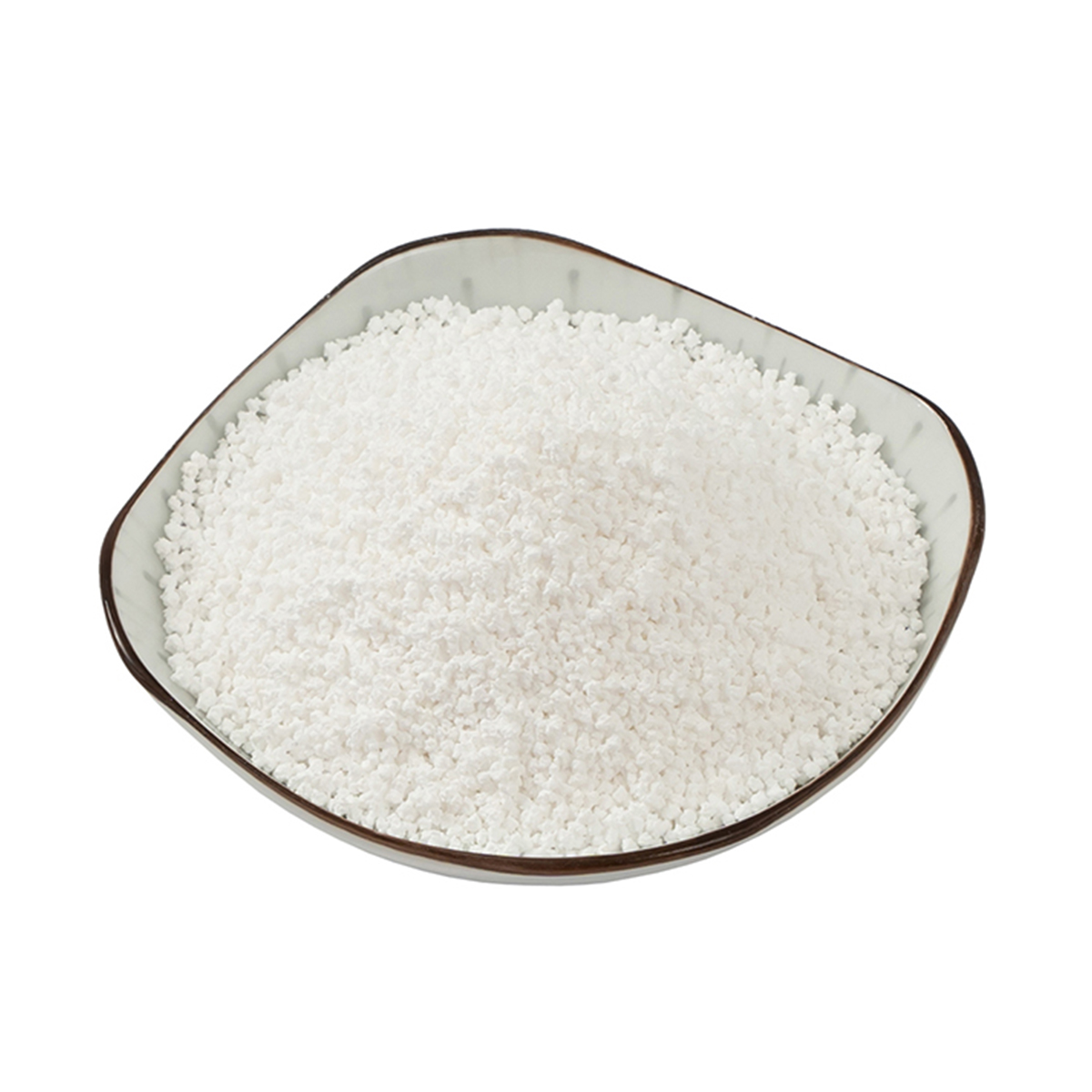
Calcium chloride (CaCl₂) is a white or colorless crystalline granule that is easily soluble in water. It has strong hygroscopic properties and can dehumidify, absorb water, and melt ice. In industrial production, it is generally divided into anhydrous calcium chloride and hydrated calcium chloride.
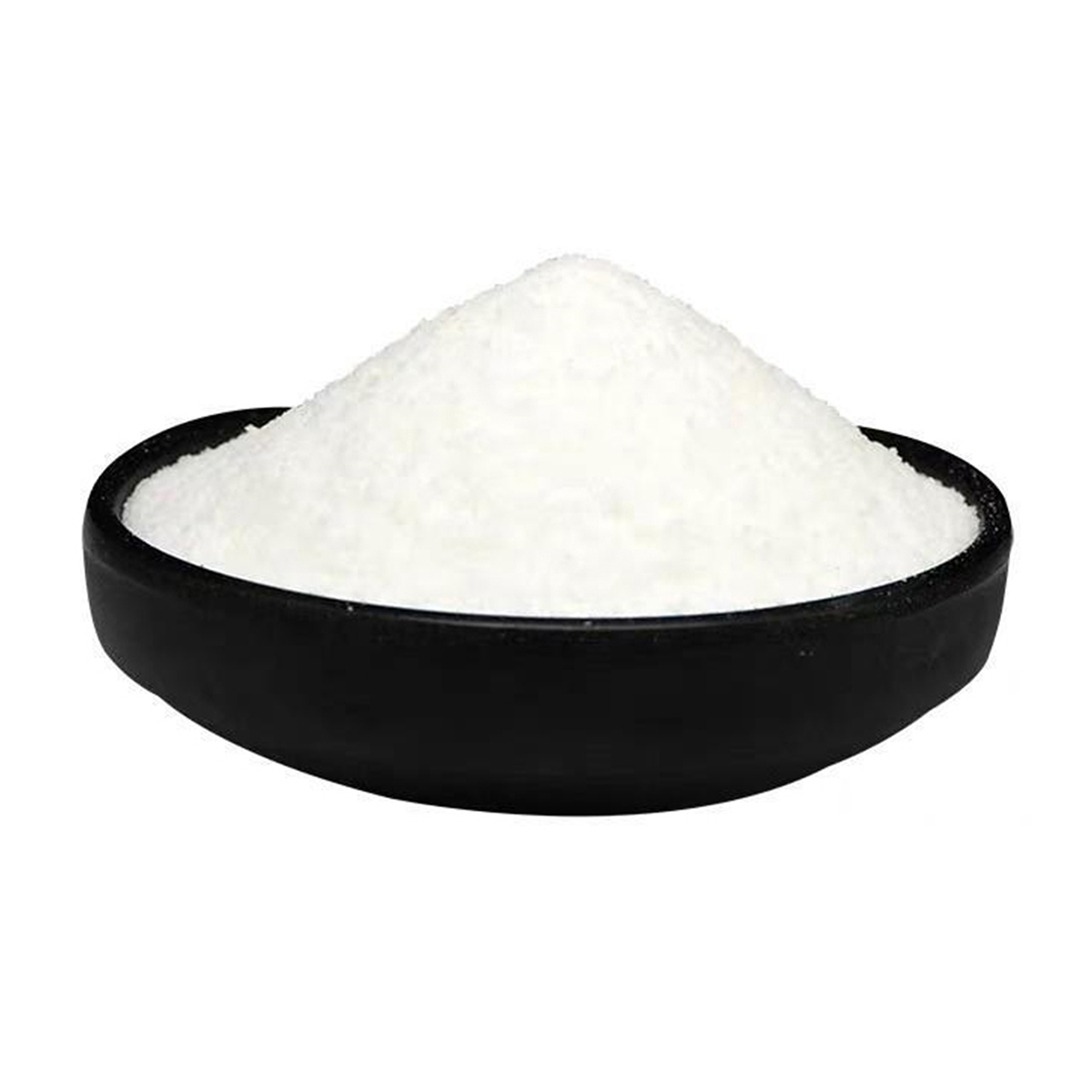
Sodium carbonate, also known as soda ash or soda ash, with the chemical formula Na₂CO₃, is an important basic inorganic chemical raw material. It appears as a white powder or granules, is easily soluble in water, and has a certain alkalinity. Sodium carbonate is used in large quantities in industrial production and has a wide range of applications, serving as a key raw material and auxiliary agent in many industries.
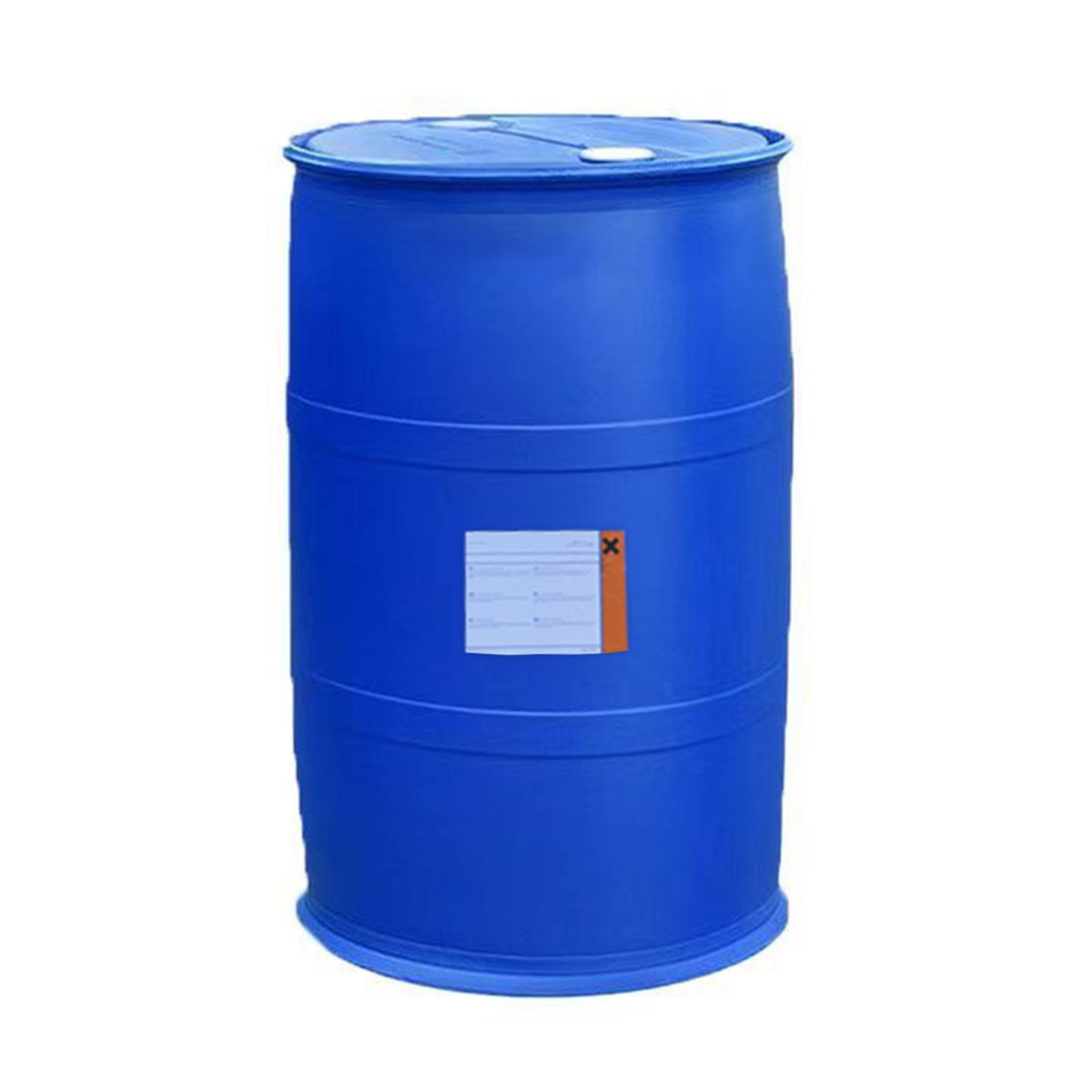
Ethylene glycol (EG) is a colorless, odorless, sweet-tasting, and highly hygroscopic liquid chemical with the chemical formula C₂H₆O₂.
It possesses excellent water absorption, solubility, and thermal stability, making it an important basic organic chemical raw material and solvent, widely used in industrial manufacturing and antifreeze systems.
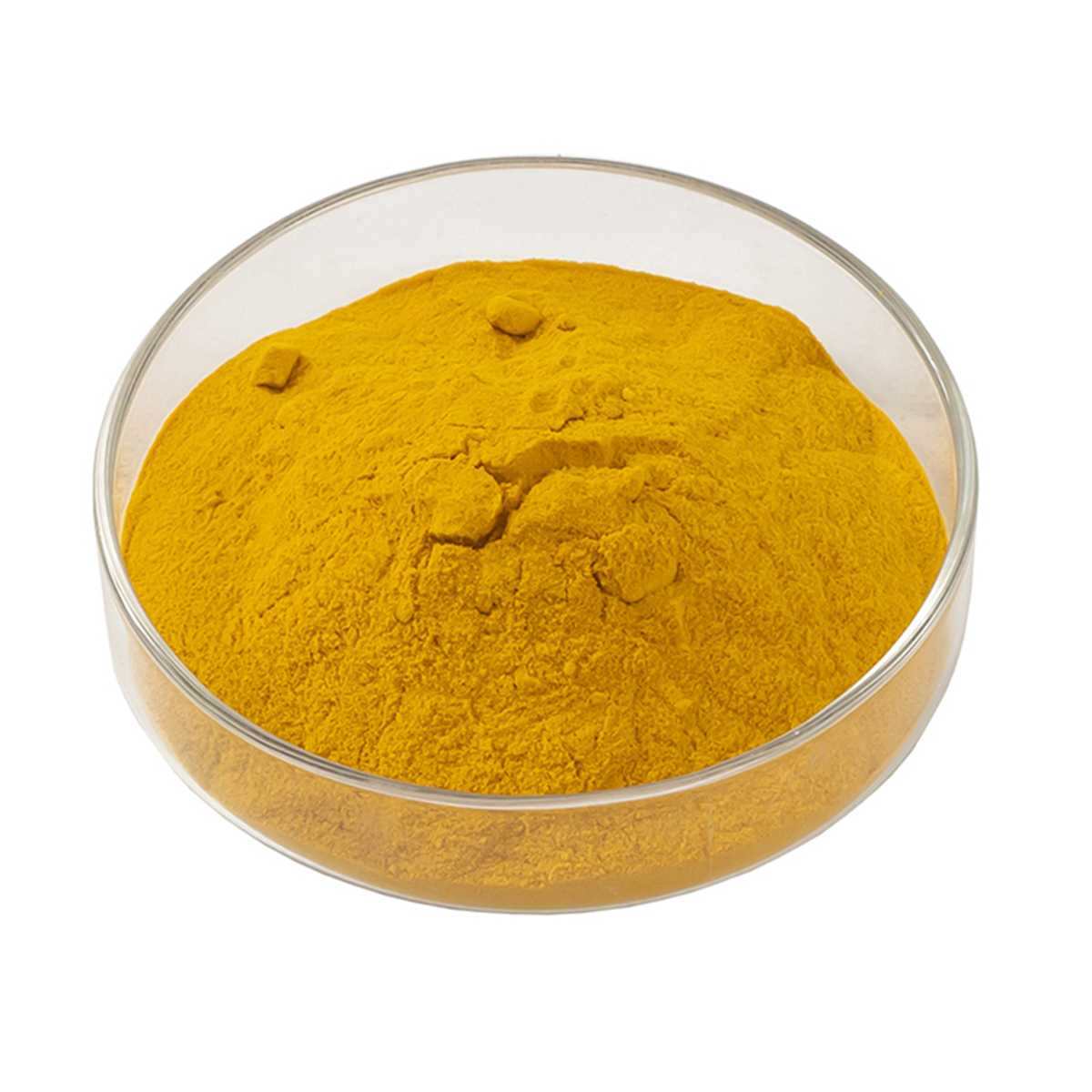
Polyaluminum chloride (PAC) is a highly efficient inorganic polymeric flocculant. It appears as a pale yellow or golden-yellow solid or liquid, is readily soluble in water, and possesses strong adsorption, flocculation, and sedimentation properties.
PAC is widely used in water treatment, papermaking, printing and dyeing, leather processing, and industrial wastewater treatment, and is one of the most widely used water purification agents.
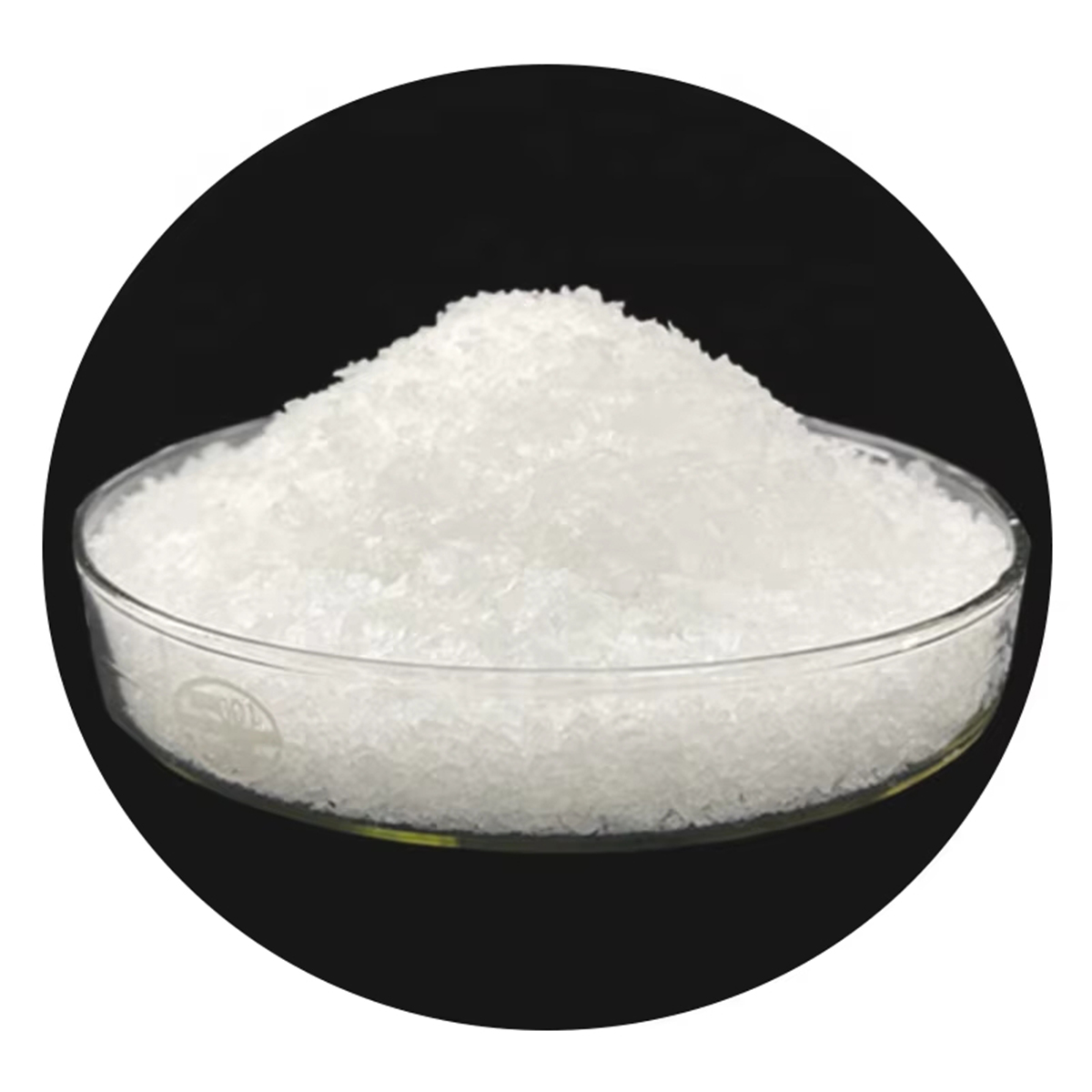
Polyvinyl alcohol (PVA) is a water-soluble polymer obtained by partial or complete hydrolysis of polyvinyl acetate.
Its chemical formula is [C₂H₄O]n. It appears as a white or off-white powder or granules, is non-toxic and odorless, and forms a transparent, viscous solution in water.
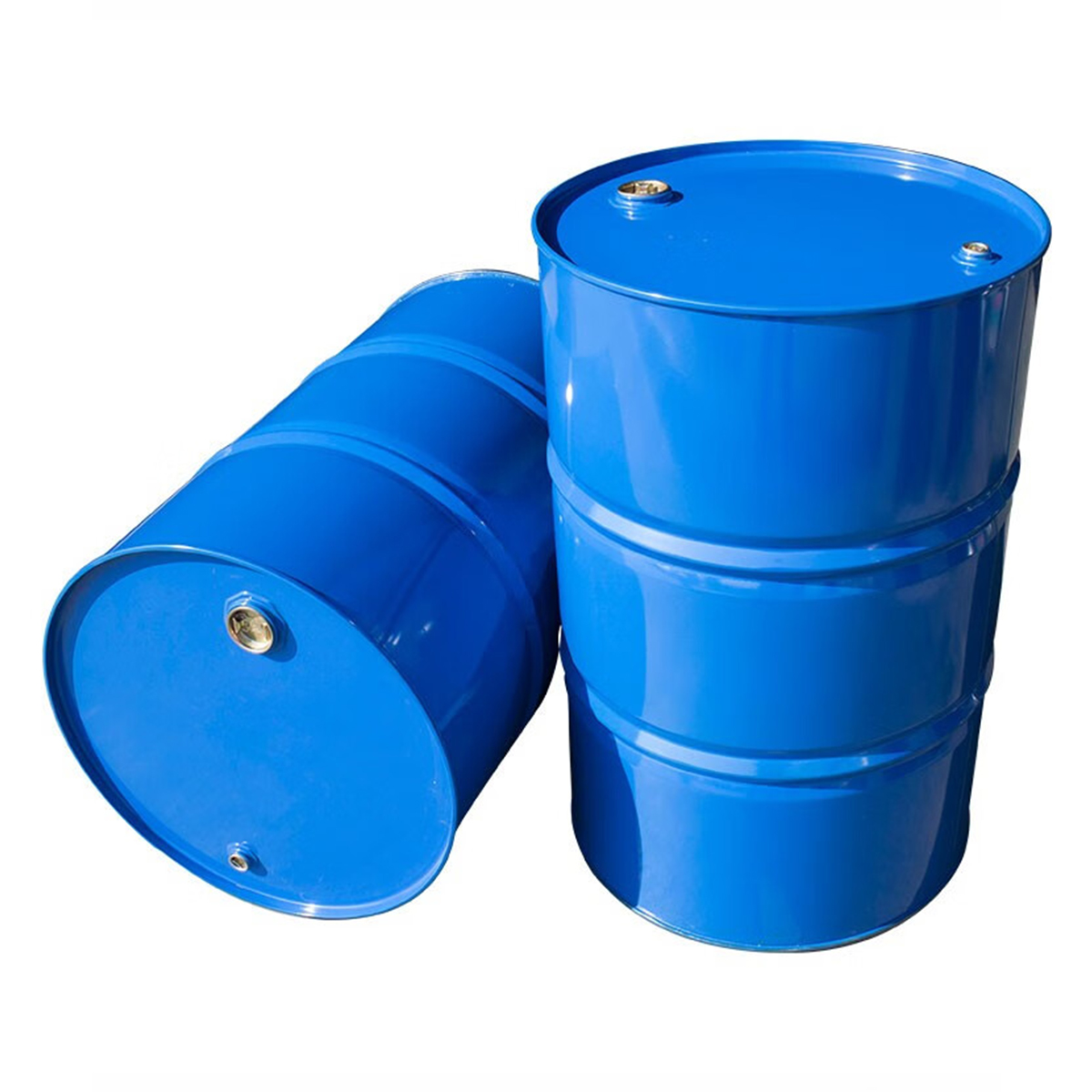
Propylene glycol (PG), chemical formula C₃H₈O₂, CAS number 57-55-6, is a colorless, odorless, transparent liquid with a slightly sweet taste.
It is highly hygroscopic, readily soluble, and has low toxicity; it is miscible with water, alcohols, and many organic solvents.
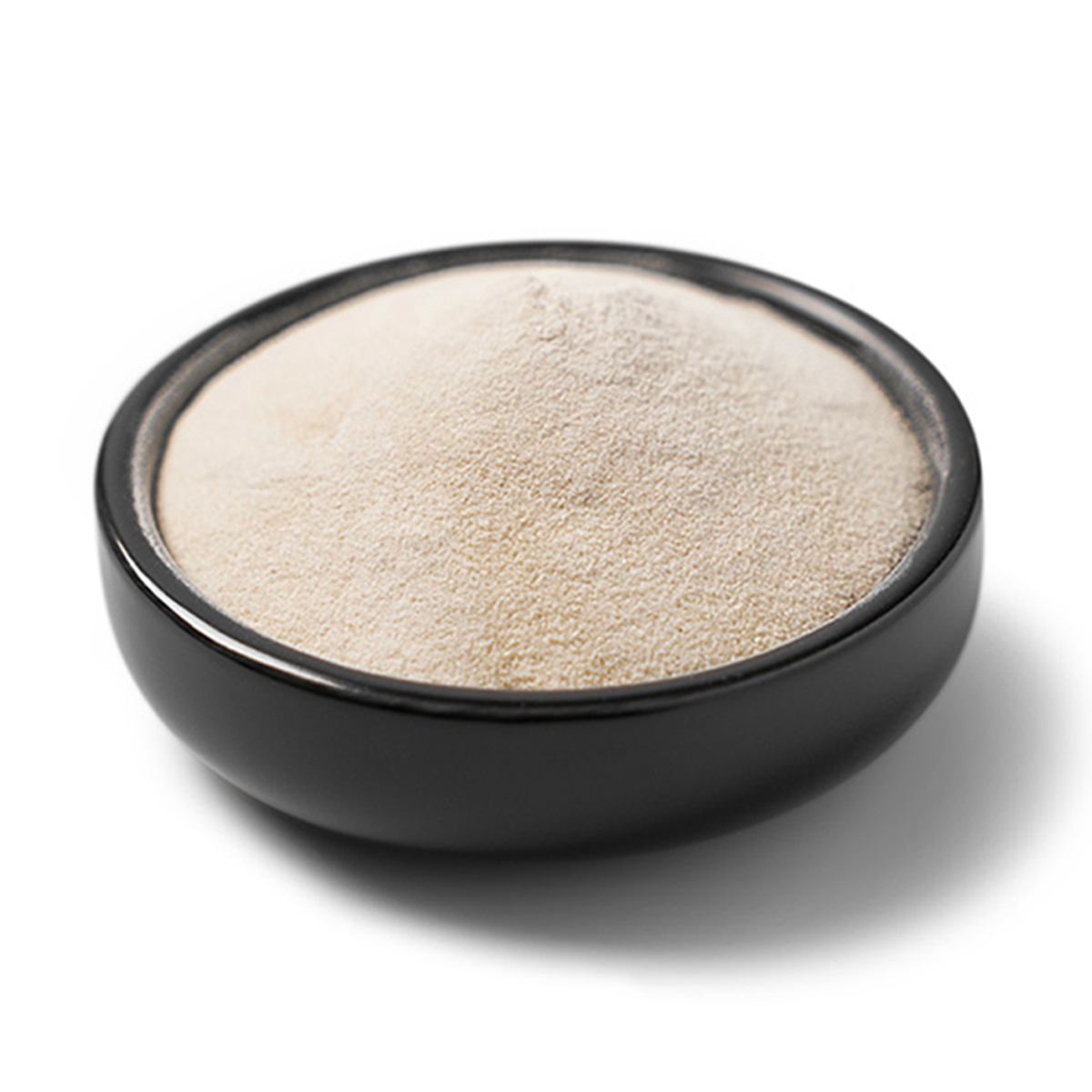
Xanthan gum is a natural high-molecular-weight polysaccharide obtained by fermenting glucose or sucrose using Xanthomonas campestris.
It possesses excellent thickening, stability, suspending, and emulsifying properties. It dissolves rapidly in water to form a high-viscosity solution, making it a highly efficient and widely used natural biocolloid.
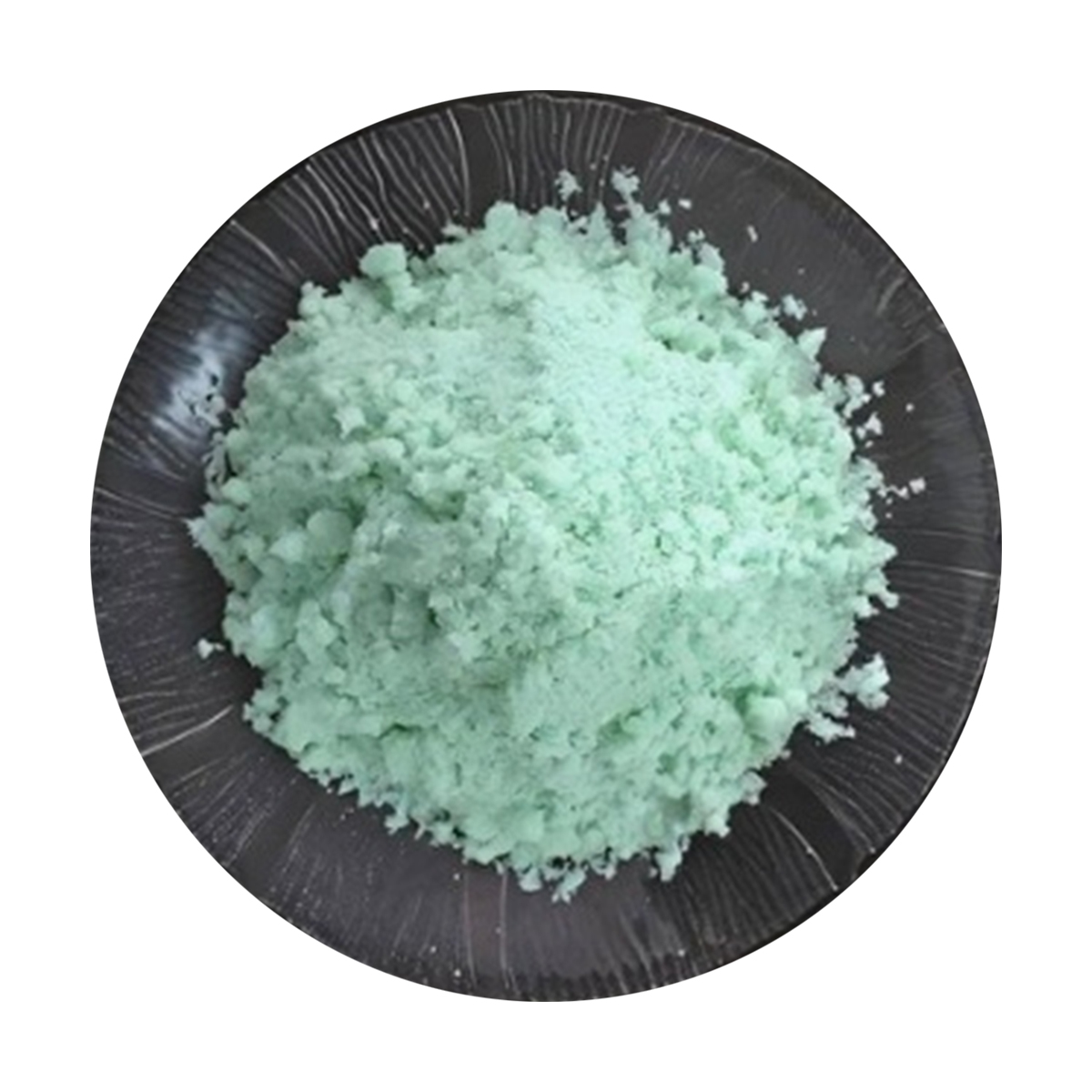
Ferrous sulfate, with the chemical formula FeSO₄, is commonly found in its heptahydrate form (FeSO₄·7H₂O). It is a light green crystalline or granular solid, readily soluble in water.
It is an important inorganic chemical raw material with reducing, iron-supplementing, and flocculating properties, and is widely used in chemical, wastewater treatment, pharmaceutical, agricultural, and feed additive industries.
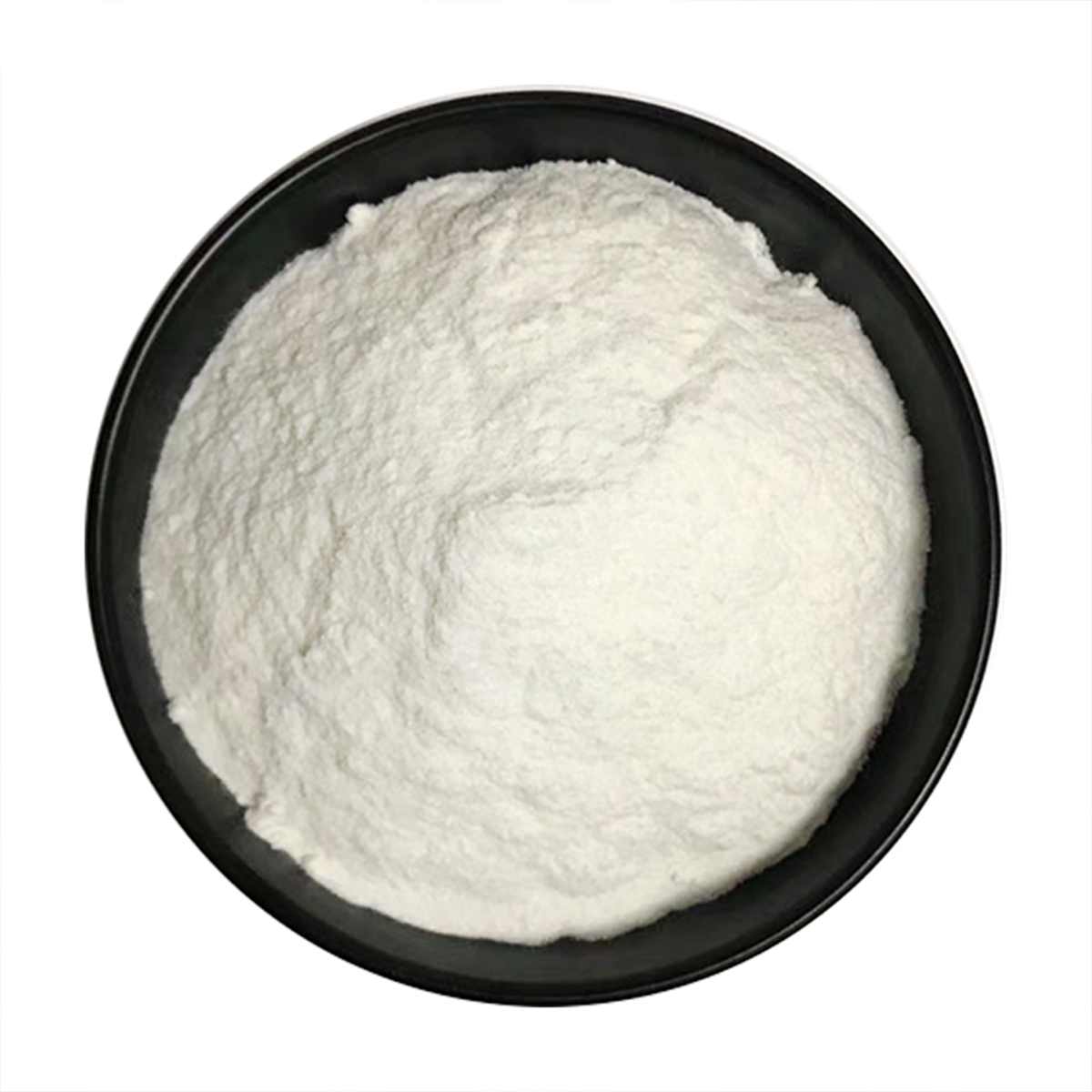
Sodium Carboxymethyl Cellulose
Sodium carboxymethyl cellulose (CMC) is an anionic, water-soluble polymer compound obtained from natural cellulose through chemical modification.
It possesses excellent thickening, stabilizing, water-retaining, suspending, emulsifying, and film-forming properties, forming a transparent colloidal solution in water.
CMC is a green, safe, and biodegradable functional polymer material widely used in food, daily chemicals, pharmaceuticals, oil drilling, and papermaking industries.
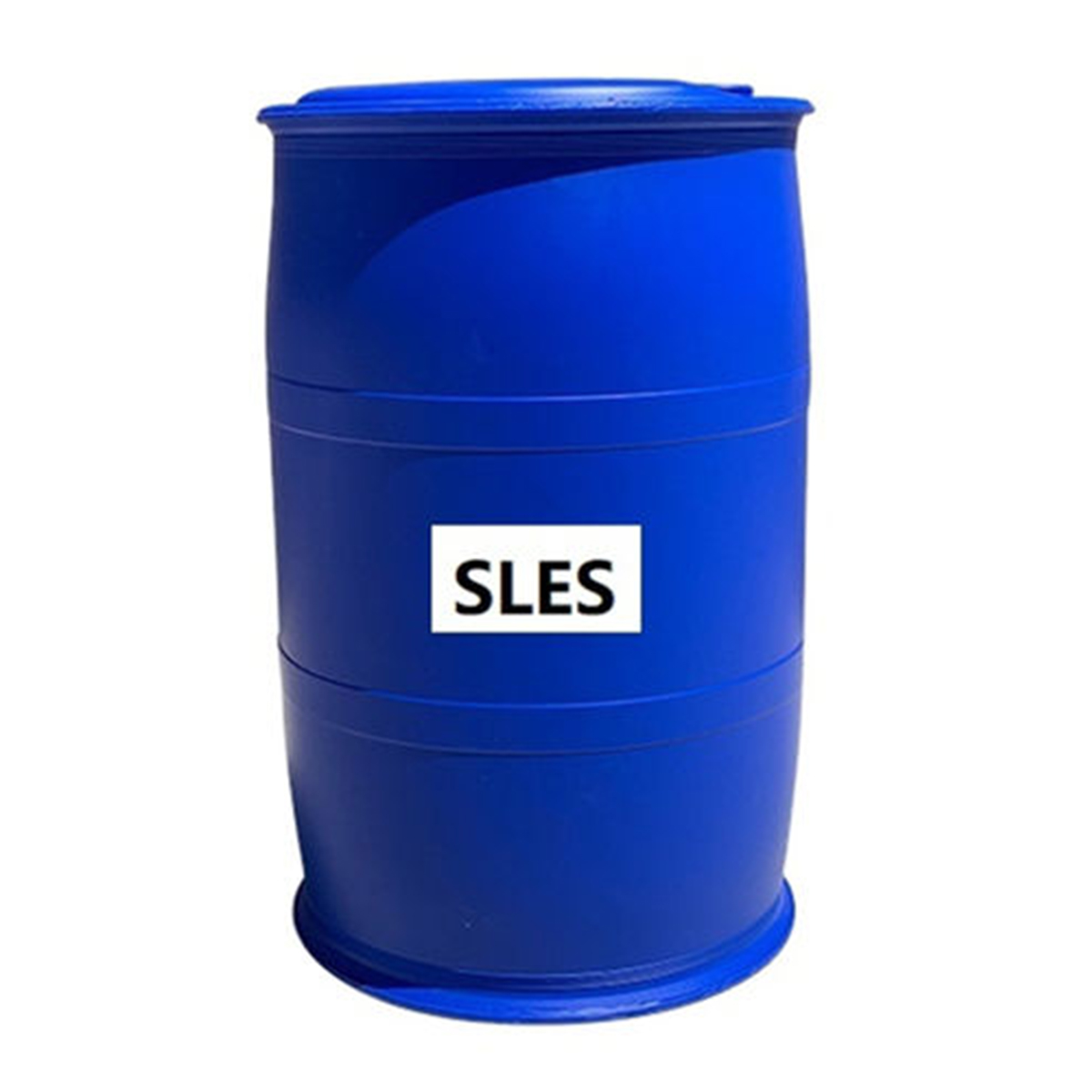
Sodium lauryl ether sulfate (SLES) is a commonly used anionic surfactant with the chemical formula RO(CH₂CH₂O)₂SO₃Na.
It appears as a colorless to pale yellow, transparent, viscous liquid and possesses excellent detergency, emulsifying, foaming, wetting, and biodegradability.
SLES exhibits good stability and strong compatibility with various anionic, cationic, and amphoteric surfactants, making it a highly efficient, mild, and low-irritant cleaning agent.